The TP-Link Archer BE230 brings Wi-Fi 7 features and two 2.5 Gbps ports to a dual-band home router.
This tp link be3600 review looks at its wired flexibility, coverage design, and the tradeoff of having no 6 GHz band.
Archer BE230 Review Summary
The quick verdict
1,000+ ratings
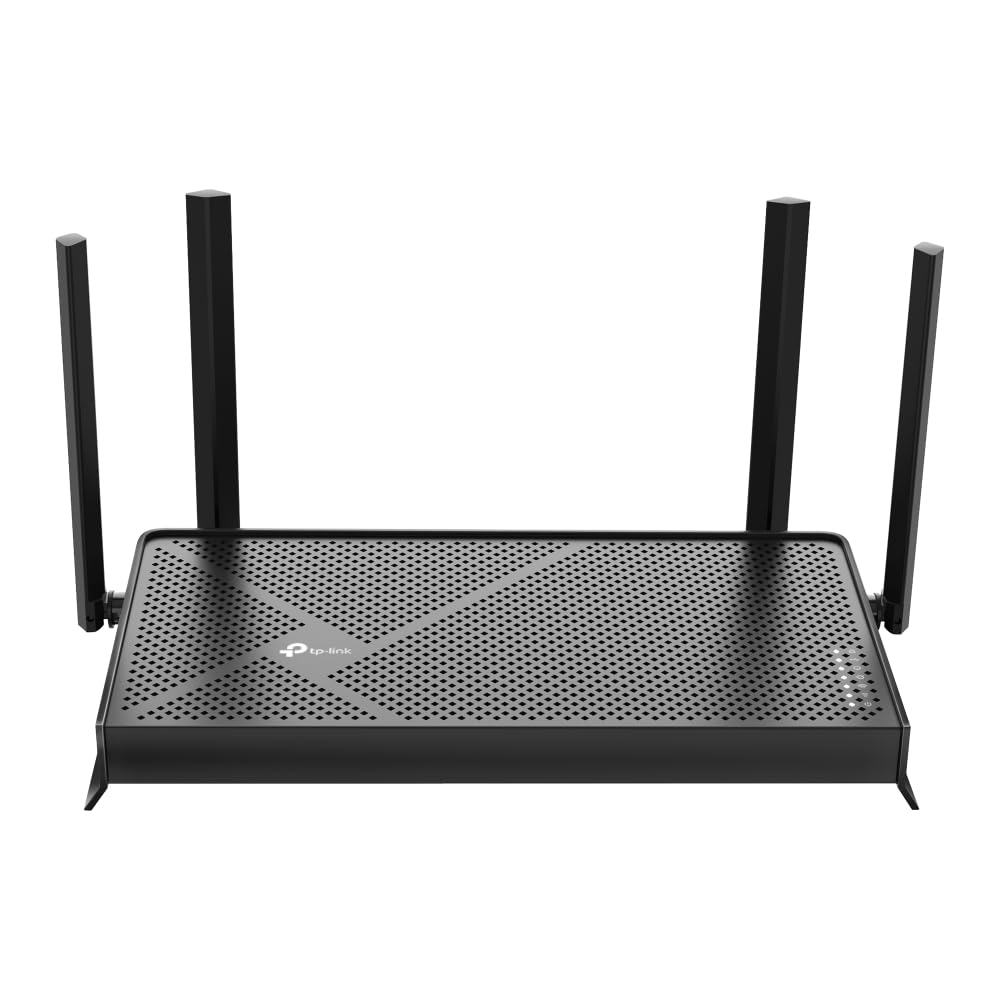
Read Amazon ReviewsTP-Link Archer BE230
A sensible fit for households moving to Wi-Fi 7 that want multi-gig wired connections, app-based setup, and EasyMesh expansion.
- Dual-band Wi-Fi 7 with up to 2,882 Mbps on 5 GHz and up to 688 Mbps on 2.4 GHz; it does not support 6 GHz.
- Wi-Fi 7 capabilities include Multi-Link Operation, Multi-RUs, and 4K-QAM.
- One 2.5 Gbps WAN/LAN port, one 2.5 Gbps LAN port, and three 1 Gbps LAN ports.
- Four internal antennas and beamforming; coverage is listed as up to 2,000 square feet for up to 60 devices.

Pros
- Wi-Fi 7 features are paired with two 2.5 Gbps ports, useful for homes with multi-gig internet or wired equipment.
- Three gigabit LAN ports provide additional connections for stationary devices such as TVs or consoles.
Consider before buying
- The dual-band design has no 6 GHz band, which may matter to buyers seeking access to that frequency.
- The listed coverage is up to 2,000 square feet; larger or unusually divided homes should consider placement and whether an EasyMesh expansion is needed.
Read the full review summary
The Archer BE230 is built for homes that want newer Wi-Fi features without giving up practical wired connectivity.
Its dual 2.5 Gbps ports, three additional gigabit LAN ports, USB 3.0, and stated coverage of up to 2,000 square feet make it a versatile central router for a mixed household of wired and wireless devices.
Wi-Fi 7 features include Multi-Link Operation, Multi-RUs, and 4K-QAM, while EasyMesh offers a path to extend coverage with compatible routers or range extenders.
The key limitation is its dual-band design: it does not support 6 GHz, so buyers seeking that additional band should compare other options. Real wireless performance depends on distance, obstacles, and the rest of the network.
The buying factors
Archer BE230 Scorecard
Editorial scores reflect listed features and buyer fit; they are not laboratory measurements or customer ratings.
Wi-Fi generation
Wi-Fi 7 features such as MLO, Multi-RUs, and 4K-QAM provide a modern feature set, though the router is dual-band.
Wireless band flexibility
The 2.4 GHz and 5 GHz bands cover common home needs, but there is no 6 GHz band.
Wired connectivity
Two 2.5 Gbps ports plus three gigabit LAN ports offer useful options for a multi-gig connection and wired devices.
Coverage design
Four internal antennas, beamforming, and EasyMesh support give buyers ways to plan and extend coverage; the stated coverage is up to 2,000 square feet.
Setup and management
The Tether app supports setup and network management, including firmware updates.
Household versatility
HomeShield, parental controls, voice-assistant compatibility, and wired ports make it suitable for varied home uses.
Key Features and Specifications of Archer BE230
- Dual-band Wi-Fi 7 with up to 2,882 Mbps on 5 GHz and up to 688 Mbps on 2.4 GHz; it does not support 6 GHz.
- Wi-Fi 7 capabilities include Multi-Link Operation, Multi-RUs, and 4K-QAM.
- One 2.5 Gbps WAN/LAN port, one 2.5 Gbps LAN port, and three 1 Gbps LAN ports.
- Four internal antennas and beamforming; coverage is listed as up to 2,000 square feet for up to 60 devices.
- EasyMesh compatibility allows expansion with compatible routers and range extenders.
- USB 3.0, a 2.0 GHz quad-core processor, Tether app management, and HomeShield features.
Pros and Cons of Archer BE230
Pros
- Wi-Fi 7 features are paired with two 2.5 Gbps ports, useful for homes with multi-gig internet or wired equipment.
- Three gigabit LAN ports provide additional connections for stationary devices such as TVs or consoles.
- EasyMesh support offers a compatible route to extend coverage as home needs change.
- Tether app setup and management includes a way to keep firmware updated.
Consider before buying
- The dual-band design has no 6 GHz band, which may matter to buyers seeking access to that frequency.
- The listed coverage is up to 2,000 square feet; larger or unusually divided homes should consider placement and whether an EasyMesh expansion is needed.
- One of the two 2.5 Gbps ports serves as WAN/LAN, so buyers should map their modem and wired-device connections before choosing it.
Who Should Buy Archer BE230?
Good fit
Consider the Archer BE230 if you want a Wi-Fi 7 router with practical wired options and your household can make use of a 2.5 Gbps internet connection or multi-gig LAN link.
Its additional gigabit ports help keep common fixed devices wired, while phones, laptops, and other clients can use Wi-Fi.
It also makes sense if app-based setup and the option to add EasyMesh-compatible equipment are useful. Check your home's layout against the stated coverage, and place the router centrally where possible; walls and distance can affect wireless results.
The Tether app supports setup, management, and firmware updates. A separate modem is required for most internet providers, so confirm your current modem arrangement and available connection speed before replacing a router.
Who should skip it
Choose a different design if 6 GHz Wi-Fi is a requirement. The Archer BE230 is dual-band, so Wi-Fi 7 does not mean it includes that band.
If you have a larger or multi-floor home, or many devices requiring wired multi-gig connections, first check whether the stated coverage and port arrangement match your layout and equipment.
What the Archer BE230 Means for Your Home Network
Wi-Fi 7 without 6 GHz
Wi-Fi 7 features can improve how compatible devices use the available wireless bands, and the BE230 includes MLO, Multi-RUs, and 4K-QAM.
Its two-band design is the important qualifier: buyers wanting a 6 GHz option should treat that as a firm comparison point, while households using 2.4 GHz and 5 GHz clients may find the configuration more relevant.
Two multi-gig ports, five wired connections
The port layout offers flexibility for an internet connection and wired devices. One 2.5 Gbps port is shared as WAN/LAN and another is a 2.5 Gbps LAN port, alongside three gigabit LAN ports.
Before buying, check which devices need multi-gig speeds and how many will be connected by Ethernet; this determines whether the arrangement fits without extra networking gear.
Coverage and expansion
The router is specified for up to 2,000 square feet and up to 60 devices, with four internal antennas and beamforming. These are planning figures rather than a guarantee for every floor plan.
EasyMesh compatibility can help extend a network with compatible equipment, so households with dead zones can consider placement first and expansion if the layout still leaves weak areas.
App tools and home controls
The Tether app handles setup and management, including firmware updates, while HomeShield provides network protection, parental controls, and IoT security features. Alexa and Google Assistant compatibility adds voice control.
Buyers who need particular security or parental-control functions should check that the available feature set matches their household's needs.
Alternatives to Archer BE230
Computer Routers alternative
5,000+ ratings
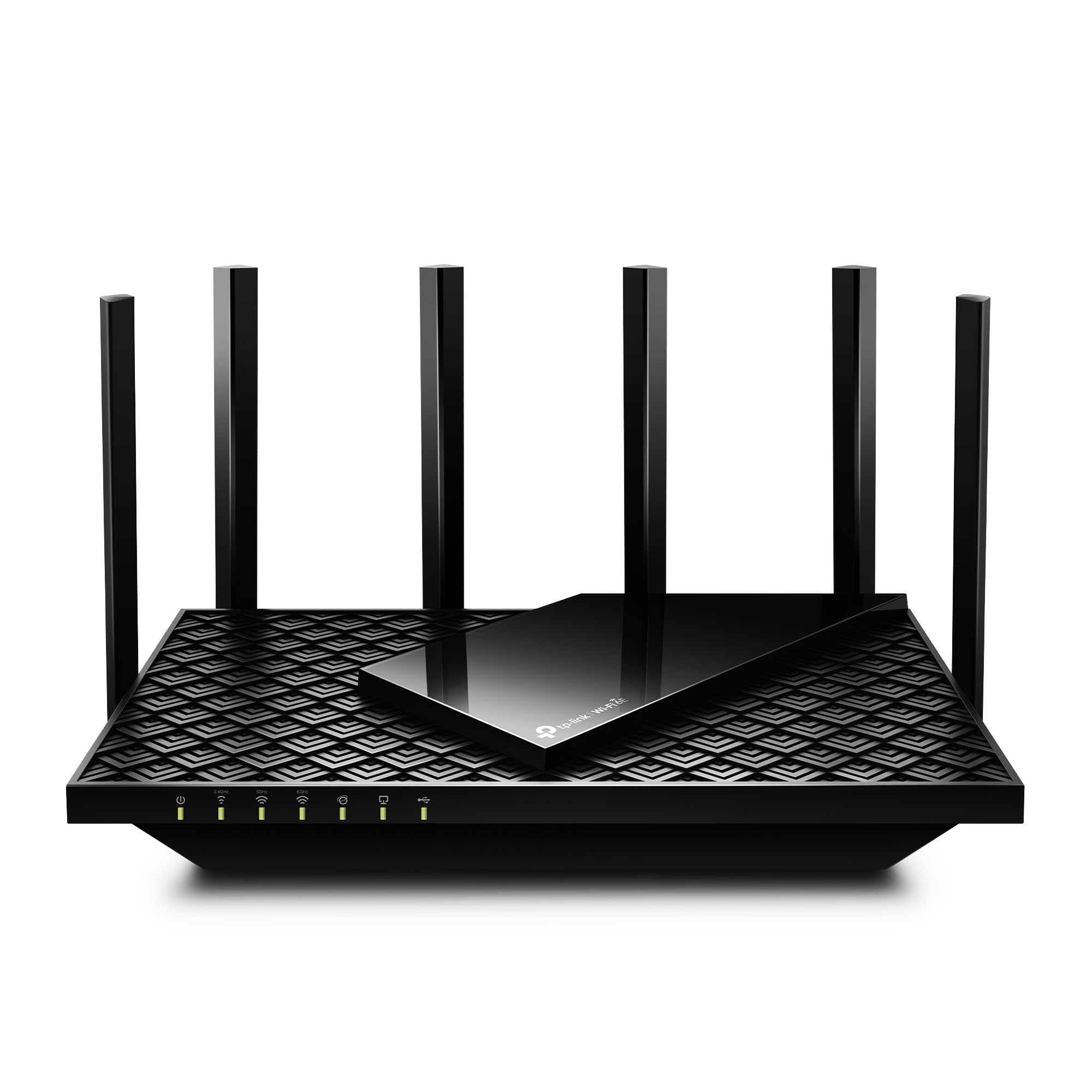
Read Amazon ReviewsTP-Link Archer AXE75
Consider the AXE75 if having a 6 GHz band and tri-band operation matters more than choosing Wi-Fi 7. The BE230 is the better fit when its Wi-Fi 7 features and second 2.5 Gbps port suit your wired setup.
- The Archer AXE75 is a tri-band Wi-Fi 6E router with a 6 GHz band, up to 5,400 Mbps combined listed wireless speed, a 2.5 Gbps WAN port, and OneMesh support.
- The Archer BE230 is a dual-band Wi-Fi 7 router with two 2.5 Gbps ports, three gigabit LAN ports, and EasyMesh support.
Computer Routers alternative
600+ ratings
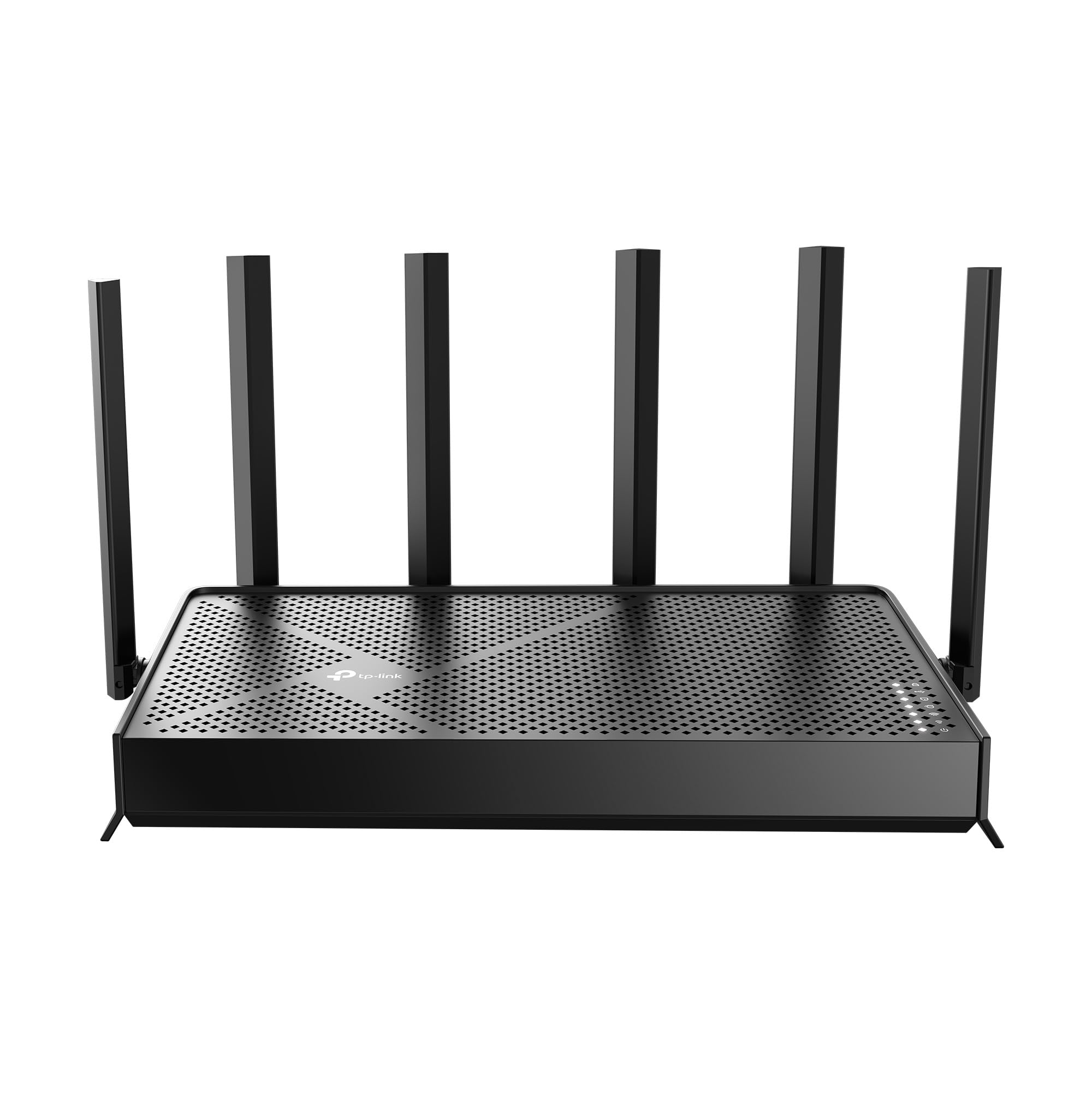
Read Amazon ReviewsTP-Link Archer BE600
The BE600 is a closer fit if you need tri-band Wi-Fi 7, 6 GHz, broader listed coverage, or several multi-gig wired connections.
The BE230 suits buyers whose needs are covered by dual-band Wi-Fi and its more modest port and coverage layout.
- The Archer BE600 is a tri-band Wi-Fi 7 router with a 6 GHz band, up to 320 MHz channels, one 10 Gbps port, one 2.5 Gbps WAN/LAN port, three 2.5 Gbps LAN ports, and listed coverage up to 2,600 square feet for up to 120 devices.
- The Archer BE230 is dual-band, lacks 6 GHz, and lists coverage up to 2,000 square feet for up to 60 devices.
Is Archer BE230 Worth It?
The TP-Link Archer BE230 is worth considering for a household that wants Wi-Fi 7 features, useful multi-gig wired connections, app-based management, and a potential EasyMesh expansion path.
Its 2.5 Gbps ports and three gigabit LAN connections make it flexible for a mix of wireless and wired devices.
The main decision is whether dual-band Wi-Fi meets your needs: there is no 6 GHz band, and the stated coverage is up to 2,000 square feet.
Check your floor plan, modem, and wired-device requirements; if they align, the BE230 is a practical router to shortlist.
Your review at a glance
1,000+ ratings
Read Amazon ReviewsTP-Link Archer BE230
A sensible fit for households moving to Wi-Fi 7 that want multi-gig wired connections, app-based setup, and EasyMesh expansion.
- Dual-band Wi-Fi 7 with up to 2,882 Mbps on 5 GHz and up to 688 Mbps on 2.4 GHz; it does not support 6 GHz.
- Wi-Fi 7 capabilities include Multi-Link Operation, Multi-RUs, and 4K-QAM.
- One 2.5 Gbps WAN/LAN port, one 2.5 Gbps LAN port, and three 1 Gbps LAN ports.
- Four internal antennas and beamforming; coverage is listed as up to 2,000 square feet for up to 60 devices.